
18. November 2026, 12:52 o'Clock
Article: From coils to containers: why every type of freight needs its own goods wagon
Freight wagons are specialists. Their design is tailored to the requirements of the cargo – from weight and dimensions to loading processes and load securing.
Containers from overseas ports, steel coils for the automotive industry, ballast for a major construction site or new vehicles on their way to the dealer – a wide variety of goods are transported by rail every day. What they have in common is that behind every transport operation there is a specific type of wagon designed to meet the requirements of the respective cargo.
This is because freight wagons are not universal means of transport. Depending on their weight, dimensions, fragility or loading unit, goods place different demands on transport, loading and load securing. That is why there is a wide variety of different wagon types – each designed for specific transport tasks.
The diversity of freight wagons is therefore not an end in itself. It is an essential prerequisite for ensuring that a wide range of industries can transport their goods reliably by rail.
The basic idea
The characteristics of the goods being transported determine the requirements a freight wagon must meet.
| Requirement | Impact on the wagon design |
|---|---|
| Weight | Load capacity and axle load |
| Dimensions | Wagon geometry and loading area |
| Weather conditions | Open or covered design |
| Loading unit | Container, coil or flat wagon |
| Loading | Crane, forklift, grab or conveyor system |
| Unloading | Gravity, hatches or manual unloading |
Why goods require such a wide variety of wagons
Rail freight transport connects a wide variety of industries and production processes. Building materials, steel products, paper, vehicles and containers differ not only in terms of their size or weight. Loading, unloading, load securing and handling also each pose their own specific challenges.
That is why a freight wagon must do far more than simply transport goods from A to B. Its design must be suited not only to the cargo but also to the processes at production sites, terminals and customer facilities.
This has led to the development of specialised wagon types that have proven their worth over many years and are now used throughout Europe in a variety of transport concepts – from single-wagon transport and block trains to combined transport.
Did you know?
A freight wagon influences far more than the transport itself: from loading and unloading, load securing and terminal handling to processes throughout the entire transport chain.
Seven wagon families – seven transport tasks
| Wagon family | Typical use |
|---|---|
| Open wagons | Heavy-duty bulk goods |
| Bulk goods wagons | Loose bulk goods |
| Sliding-wall wagons | Sensitive industrial goods |
| Flat wagons | Heavy and bulky goods |
| Coil wagons | Steel coils |
| Car transport wagons | Vehicles |
| Flatbed and box lorries | Containers, swap bodies and semi-trailers |
From theory to practice
Typical examples from DB Cargo’s rolling stock demonstrate just how varied these requirements can be. Each type of wagon has been designed to transport specific goods safely, efficiently and in a manner suited to their characteristics by rail.
Eanos – A versatile wagon for bulk goods, scrap and building materials
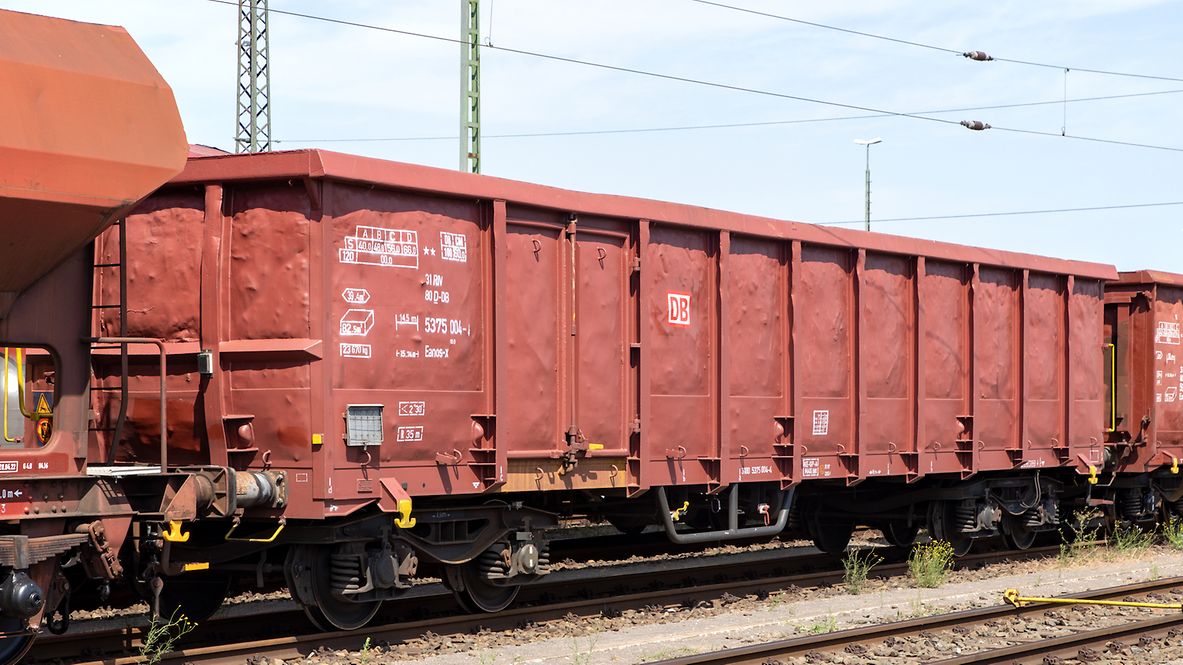
The open design allows for loading by crane, grab or wheel loader. At the same time, wagons of this type offer high load limits and ample loading volume for robust, weather-resistant goods.
| Typical goods | Recycled materials, building materials, timber, |
|---|---|
| Typical sectors | Construction, recycling, raw materials supply |
| Typical operating environment | Single-wagon transport and block trains |
| Special features | Open design, high loading space, top-loading |
Falns – Specialist in bulk goods
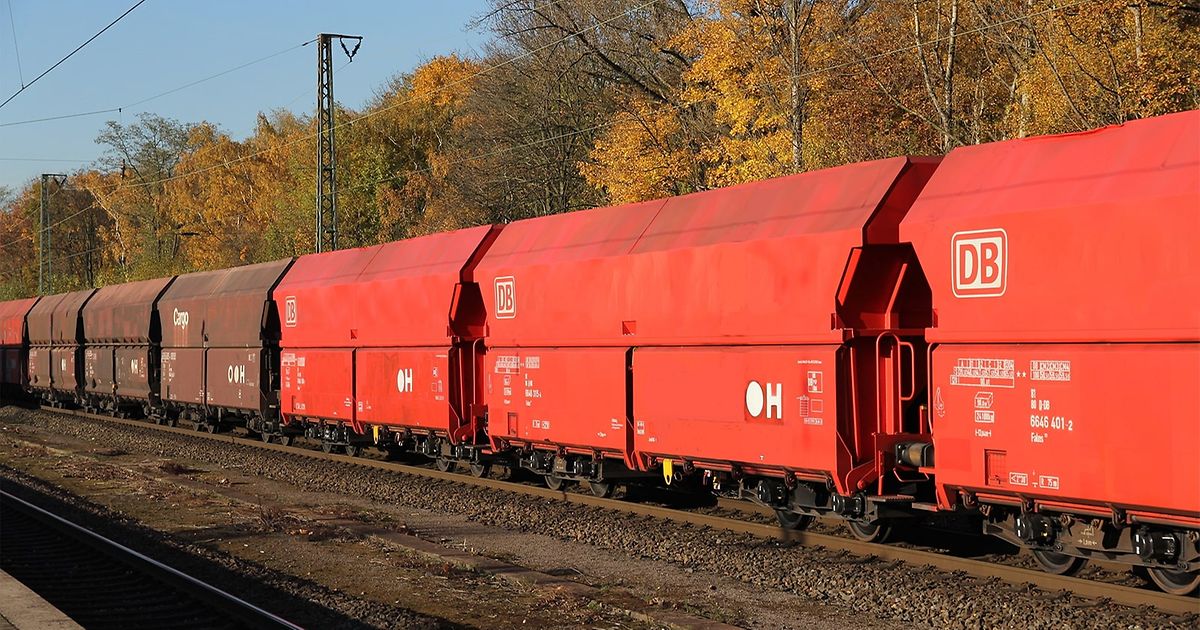
When it comes to bulk goods, it is not only loading that is crucial, but above all efficient unloading. Thanks to their floor flaps, trolleys of this design enable large quantities of material to be unloaded quickly, thereby supporting continuous industrial processes.
| Typical goods | Coal, ore, sand, gravel, crushed stone and other bulk goods |
|---|---|
| Typical sectors | Building materials industry, raw materials logistics |
| Typical operating environment | Industrial bulk transport |
| Special features | Gravity discharge via side flaps |
Habbins – specialists in weather-sensitive industrial goods
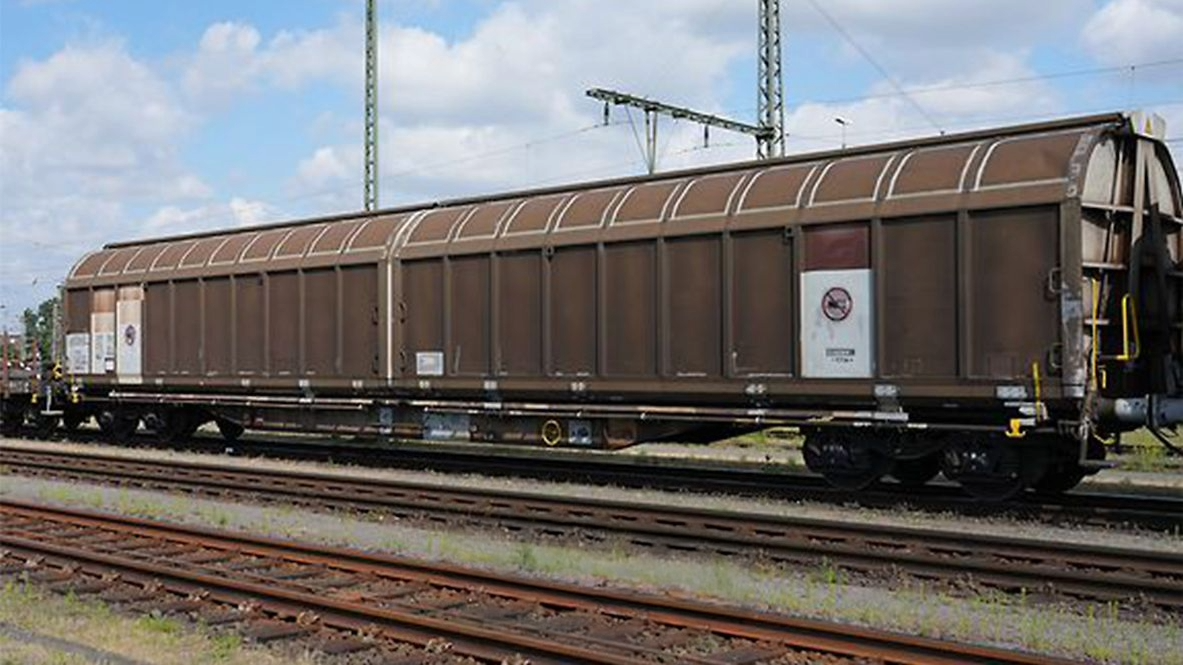
The sliding walls protect sensitive goods from the elements whilst allowing for large-area side loading.
| Typical goods | Paper, packaged industrial goods, consumer goods |
|---|---|
| Typical sectors | Paper industry, consumer goods industry |
| Typical operating environment | Industrial and general cargo transport |
| Special features | Large sliding side walls |
Rbns – Specialists in heavy and bulky goods
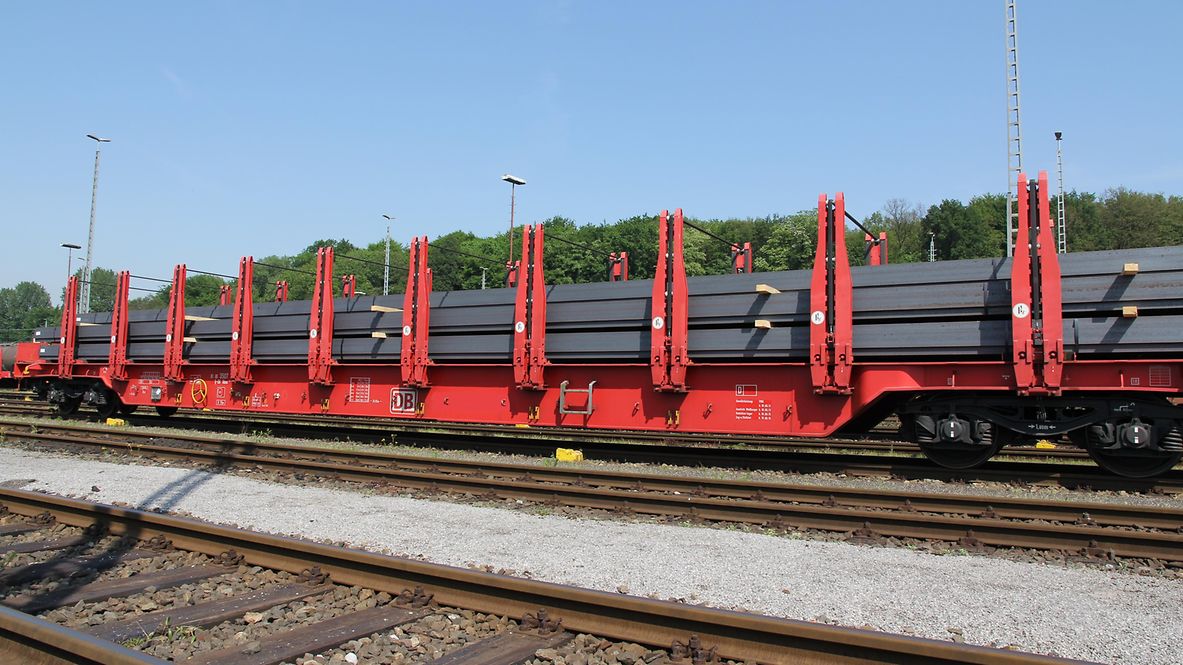
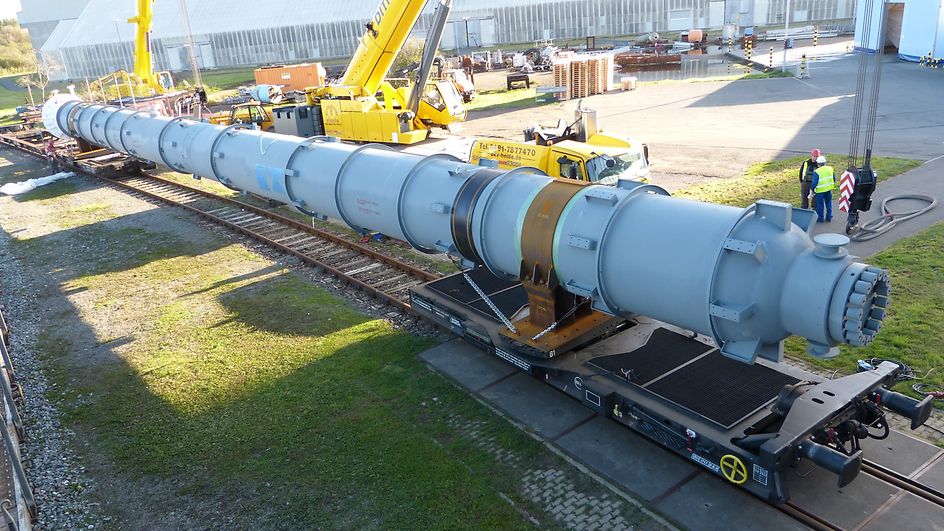
Stanchions, end panels or other securing devices allow long, heavy or bulky goods to be transported flexibly.
| Typical goods | Steel products, timber, |
|---|---|
| Typical sectors | Steel industry, timber industry, mechanical engineering |
| Typical operating environment | Industrial and project logistics |
| Special features | Open loading area with various securing devices |
Shimmns – specialists in steel coils
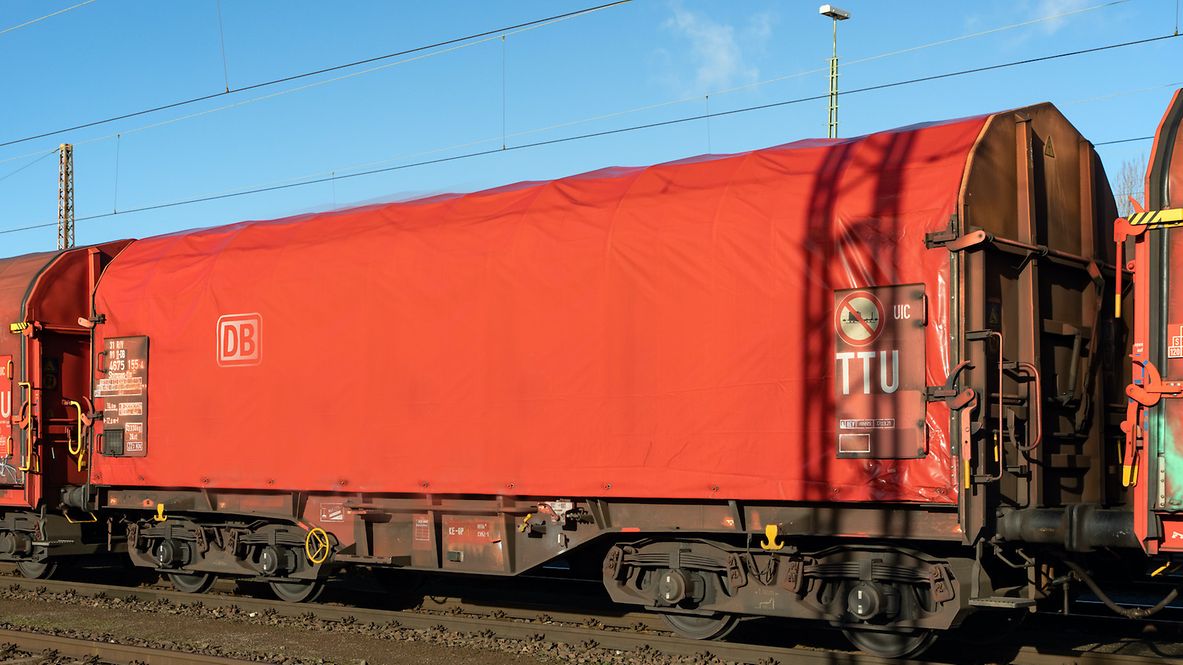
The specially designed loading troughs securely hold steel coils in place and help ensure the safe transport of these heavy semi-finished products.
| Typical goods | Steel coils |
|---|---|
| Typical sectors | Steel industry, automotive, mechanical engineering |
| Typical operating environment | Industrial supply chains |
| Key features | Loading hatches and load-securing equipment |
Laaers – Specialists in vehicle transport
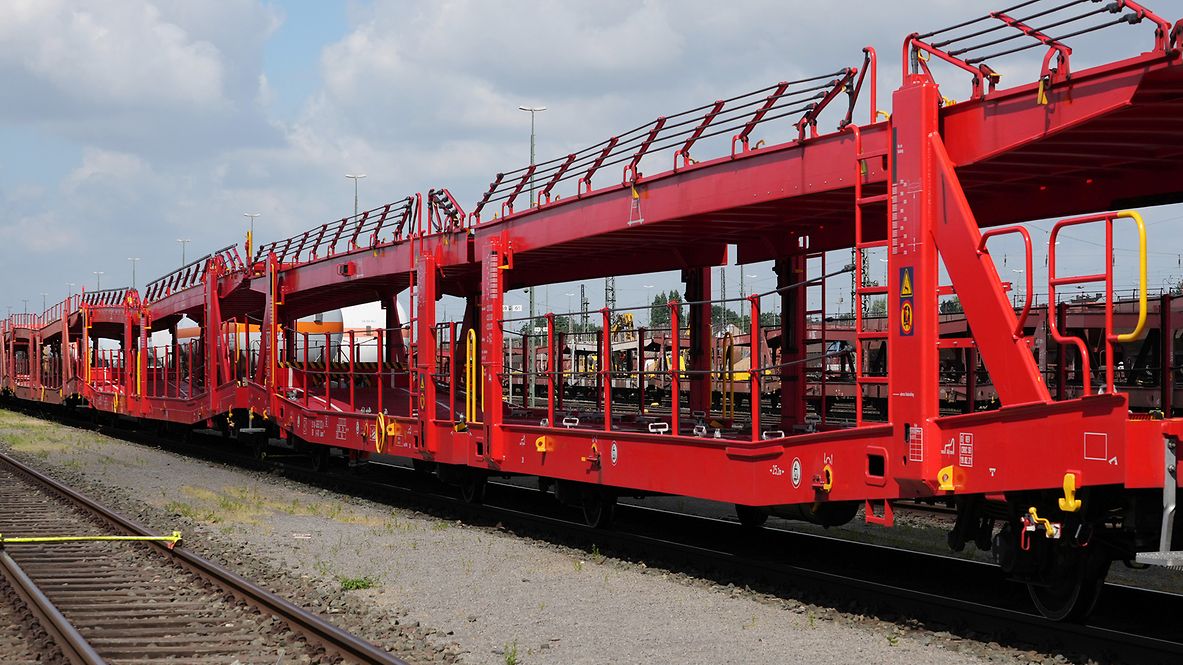
Two loading levels enable the space-saving transport of large numbers of vehicles within European supply chains.
| Typical cargo | Cars, SUVs and vans |
|---|---|
| Typical sectors | Automotive industry |
| Typical operating environment | Vehicle logistics between factories, ports and distribution centres |
| Special features | Two-storey loading levels |
Sggrss – Specialists in combined transport
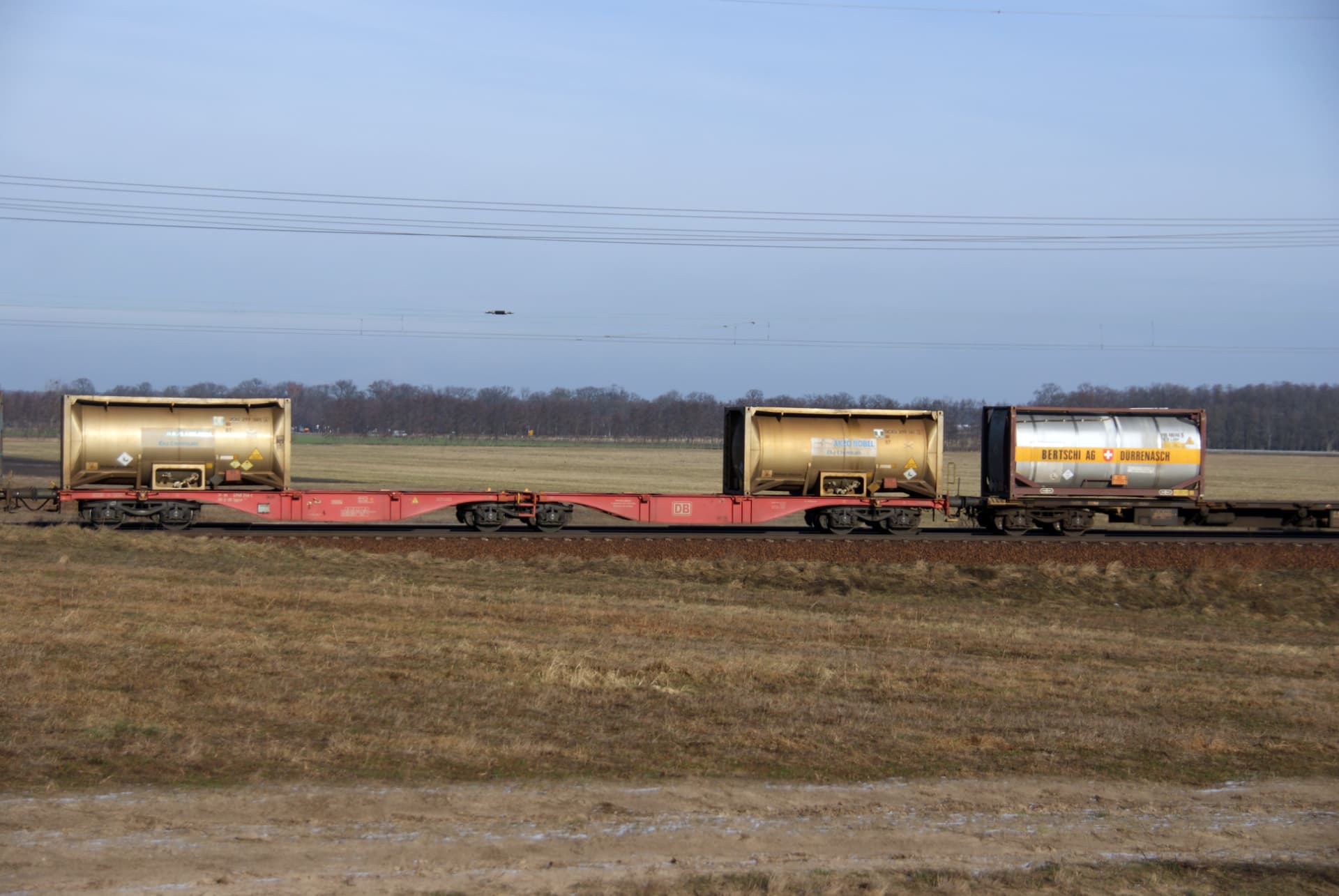
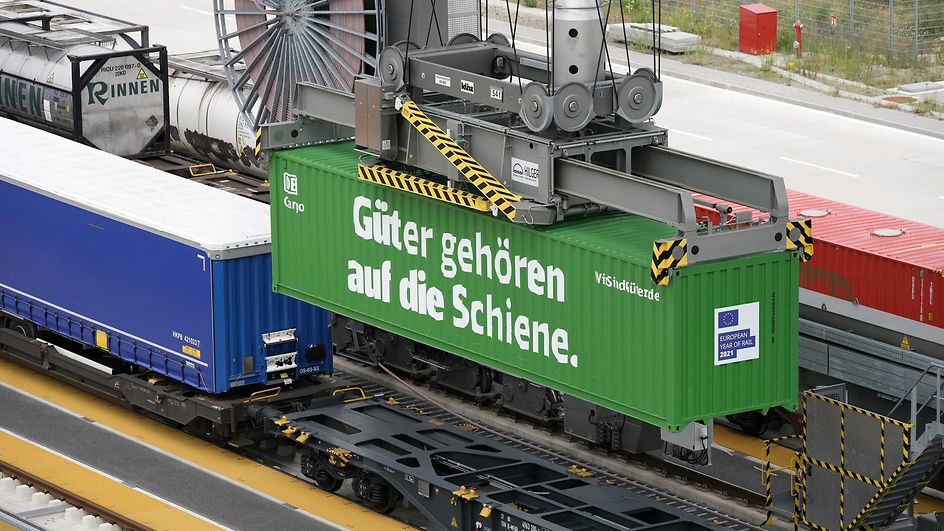
These wagons do not transport individual goods, but standardised loading units. This allows long-distance rail journeys to be combined with flexible road transport for the initial and final legs of the journey.
| Typical cargo | Containers, swap bodies |
|---|---|
| Typical sectors | Intermodal transport, retail, consumer goods logistics |
| Typical operating environment | Combined transport |
| Special features | Mounts for standardised loading units |
From freight wagon to transport chain
A freight wagon can only play to its strengths as part of the entire transport chain: from loading and load securing to marshalling yards, train formation and terminals, all the way to the recipient. Together, these elements ensure efficient and reliable rail freight transport.
Conclusion
Whether open wagons for bulk goods, specialised wagons for steel coils or container wagons – every type of wagon fulfils a specific transport task. Together, they form a versatile fleet of wagons that meets the most diverse requirements of industry, trade and logistics.
It is precisely this specialisation that makes rail freight transport so efficient. It enables a wide variety of goods to be transported via a common European rail network and allows transport chains to be tailored to the requirements of different sectors.
Note: No personal data is collected when submitting feedback. Feedback is processed anonymously. DB Cargo Privacy Notice
 Go