
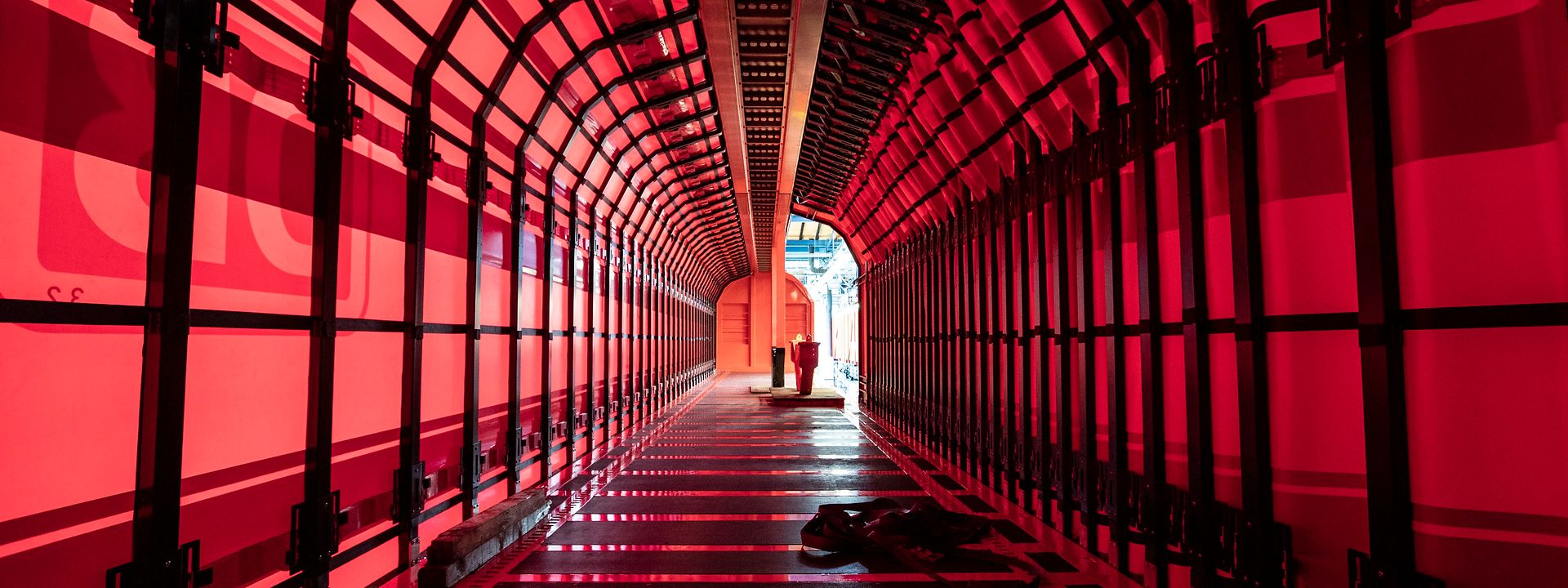
The freight wagons of the future: multifunctional and modular
Shifting more traffic to rail – our multifunctional modular freight wagons make it possible.
Article: The benefits:
- innovative logistics concepts with bespoke resource solutions
- industry and customer-specific superstructures that meet current requirements
- flexibility to configure wagon length to meet requirements
- wagons can be used for single wagonload transport
- higher availability of loading space
- shorter time to market compared with conventional freight wagons
More flexibility for rail freight transport.
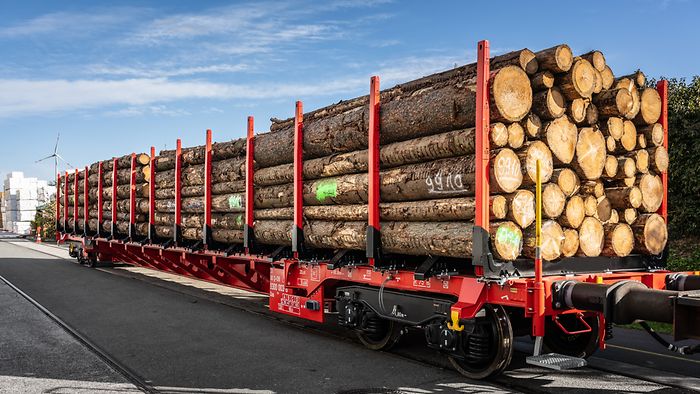
The m2 flat car system offers a market-ready, approved, multifunctional, and multimodal solution for rail freight transport. The successful market launch of the first 50 flat car systems has proven in practice that this system can make an important contribution to shifting freight to rail.
To meet your modern logistics requirements, we have developed this innovative solution for wagon equipment. Our multifunctional, modular freight wagon is particularly aimed at industries that favor single wagons. The freight wagon system is a fundamental innovation:
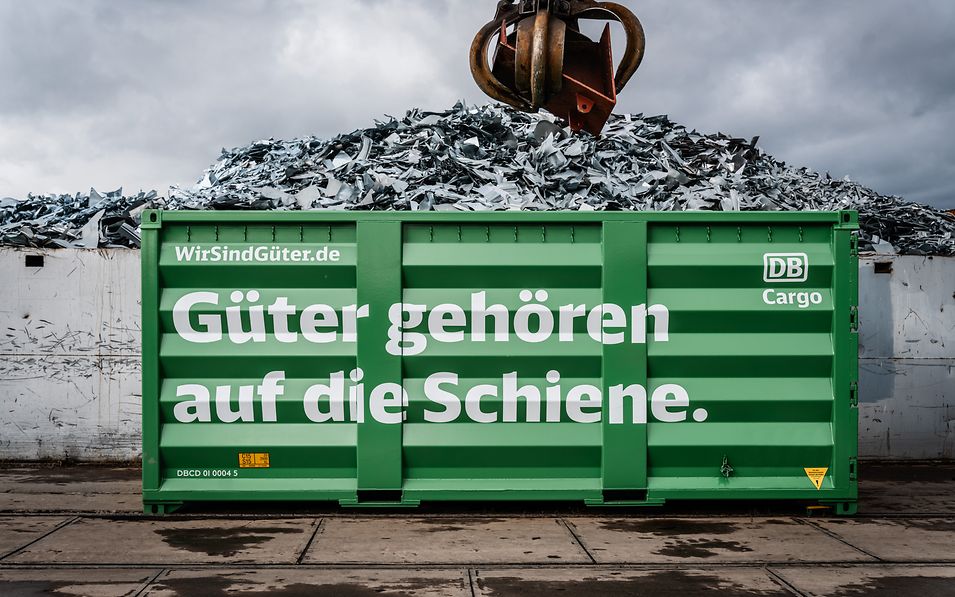
The freight wagon system is a major innovation.
With this concept, we separate the carrier wagon and the transport container. Key features of the carrier wagon, such as its length, can be configured variably throughout its life cycle. This opens up new possibilities in vehicle design. The carrier wagons can be equipped with various loading units, which are removable and interchangeable. This will enable us to adapt our equipment even more quickly and individually to your needs in the future.
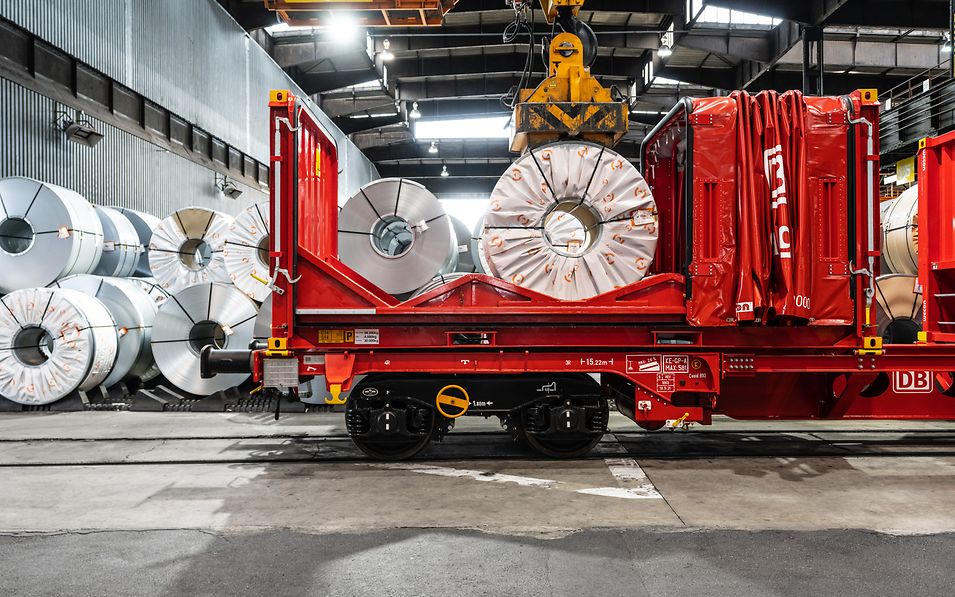
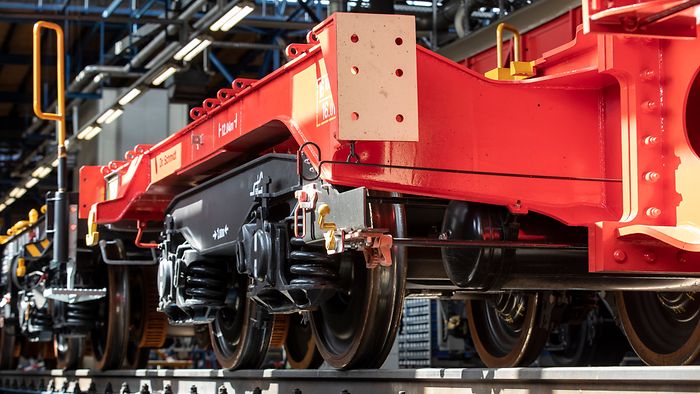
Funded by the Federal Ministry of Transport on the basis of a resolution passed by the German Bundestag.
Multimodal containers can now be integrated into customers' logistics concepts for rail freight transport. These flatcar systems offer significantly greater flexibility over the life cycle compared to conventional freight wagons. They can help to bring logistics solutions to market more quickly and increase the economic efficiency of rail freight transport.
Get in touch with our expert.
-
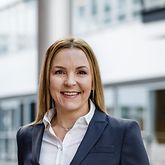
Carolina Lasse
Vice President Product Management Single Wagon and Multimodal Solutions
and Co-Lead of Project m² (Focus on Sales), DB Cargo AG

 Go
Go