
07. October 2026, 14:45 o'Clock
Article: KONTImodal Conference 2026: When connections become a resilient network
New routes, higher frequencies and digital control: the KONTImodal Conference 2026 showed what will matter for combined transport in the future.
More choice on rail
What happens when a departure is cancelled or a transport chain grinds to a halt? In combined transport, the performance of a service is not determined by a single connection alone. The denser the network and the higher the frequency, the more options there are for keeping shipments moving within the system.
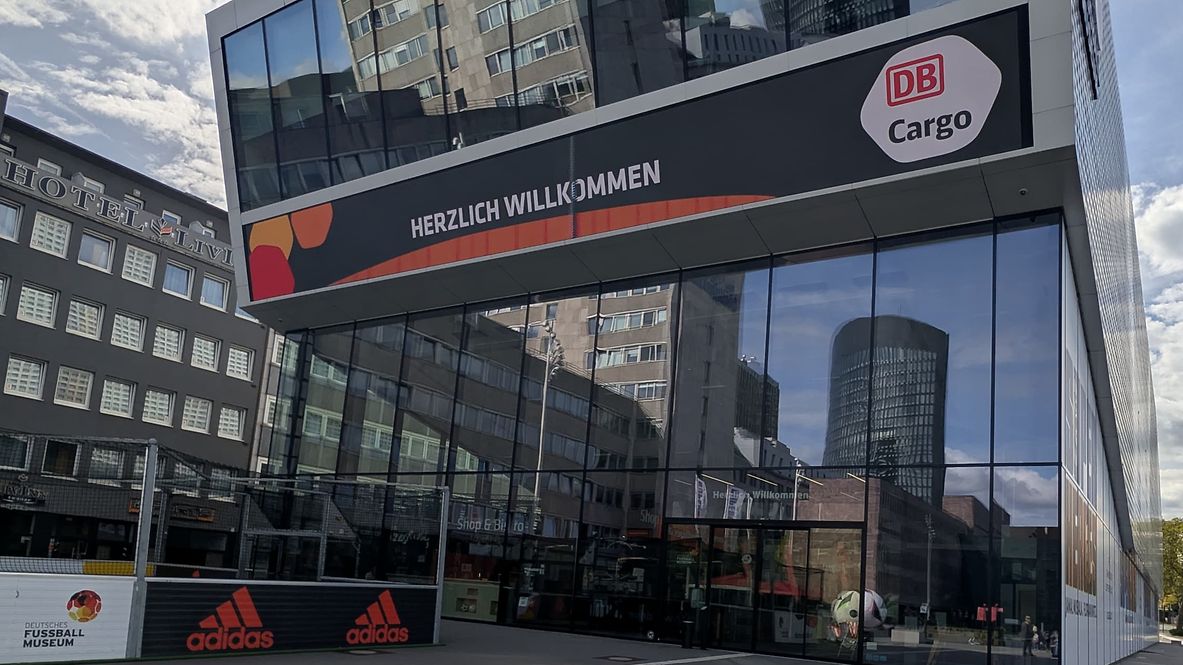
This development was the central theme of the KONTImodal Conference 2026. On 17 September, DB Cargo customers and partners met at the German Football Museum in Dortmund. The focus was on the further development of continental combined transport, new connections and the question of how digital systems can support the management of complex transport chains in future.
For DB Cargo, this means a network that connects industrial locations in Germany with European economic regions. The further development of continental combined transport along European corridors, together with the preservation of a future-proof German single wagonload network, forms an important part of the concept. The Executive Board Talk addressed both the direction of the network and the importance of stable, predictable transport services.
Frequency creates flexibility
The Operator Talk was a particular highlight. For Britta Weber, the new CEO of Hupac, and Dirk Steffes, the new Managing Director of Kombiverkehr, it was their first joint industry appearance in their new roles. Both provided insights into the further development of their combined transport services and presented specific changes to European networks. Kombiverkehr presented several new connections planned in collaboration with DB Cargo KONTImodal, as well as extensions to existing services.
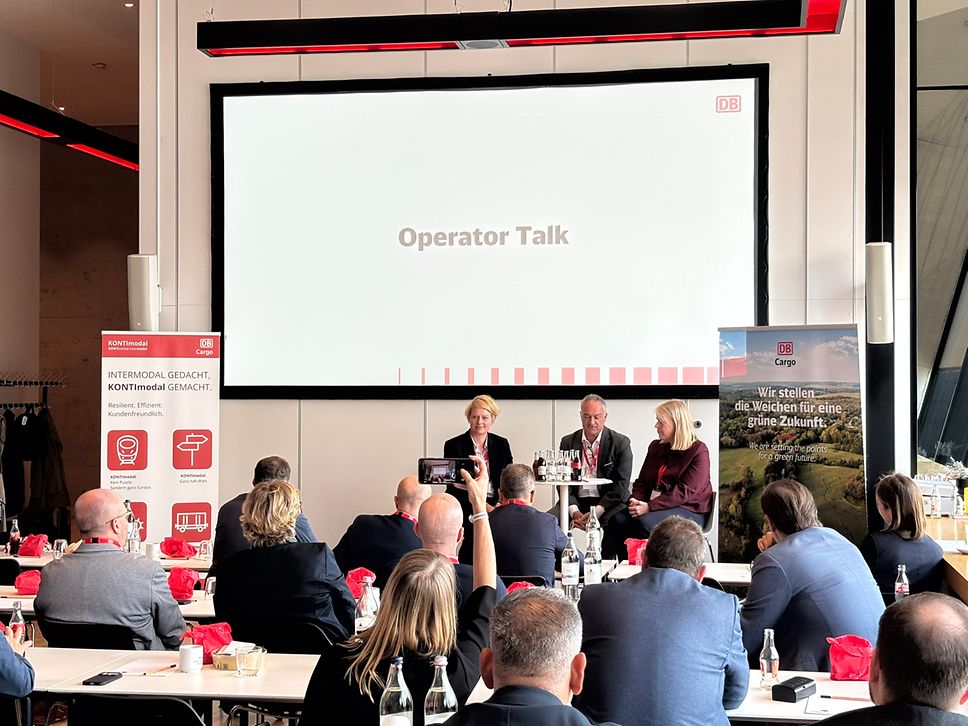
Operator Talk at the KONTImodal Conference 2025: Britta Weber (Hupac), Dirk Steffes (Kombiverkehr) and Sylke Hussmann discussed the latest developments in combined transport.
Kombiverkehr and Hupac aim to provide a comprehensive service for their customers. Alongside their exclusive connections, they also offer routes in partnership where this creates an economically viable and attractive additional service for the market. The new connection between Duisburg and Barcelona La Llagosta, for example, is operated as a joint product by the two operators.
Such extensions change more than just the timetable. More departures can make planning more flexible and create additional opportunities to integrate shipments into an existing network.
Hupac presented Shuttle Net, its proven approach based on high frequencies and the consolidation of transport volumes on routes with strong demand. More than 20 round trips per week are planned on selected connections. The aim is to provide a more stable service and secure long-term competitiveness.
This highlights a key point for the development of combined transport: a high-performing service is not created by individual new routes alone. It requires connections that work together, sufficient frequencies and partners who combine their services within a shared network.
When the transport chain can respond for itself
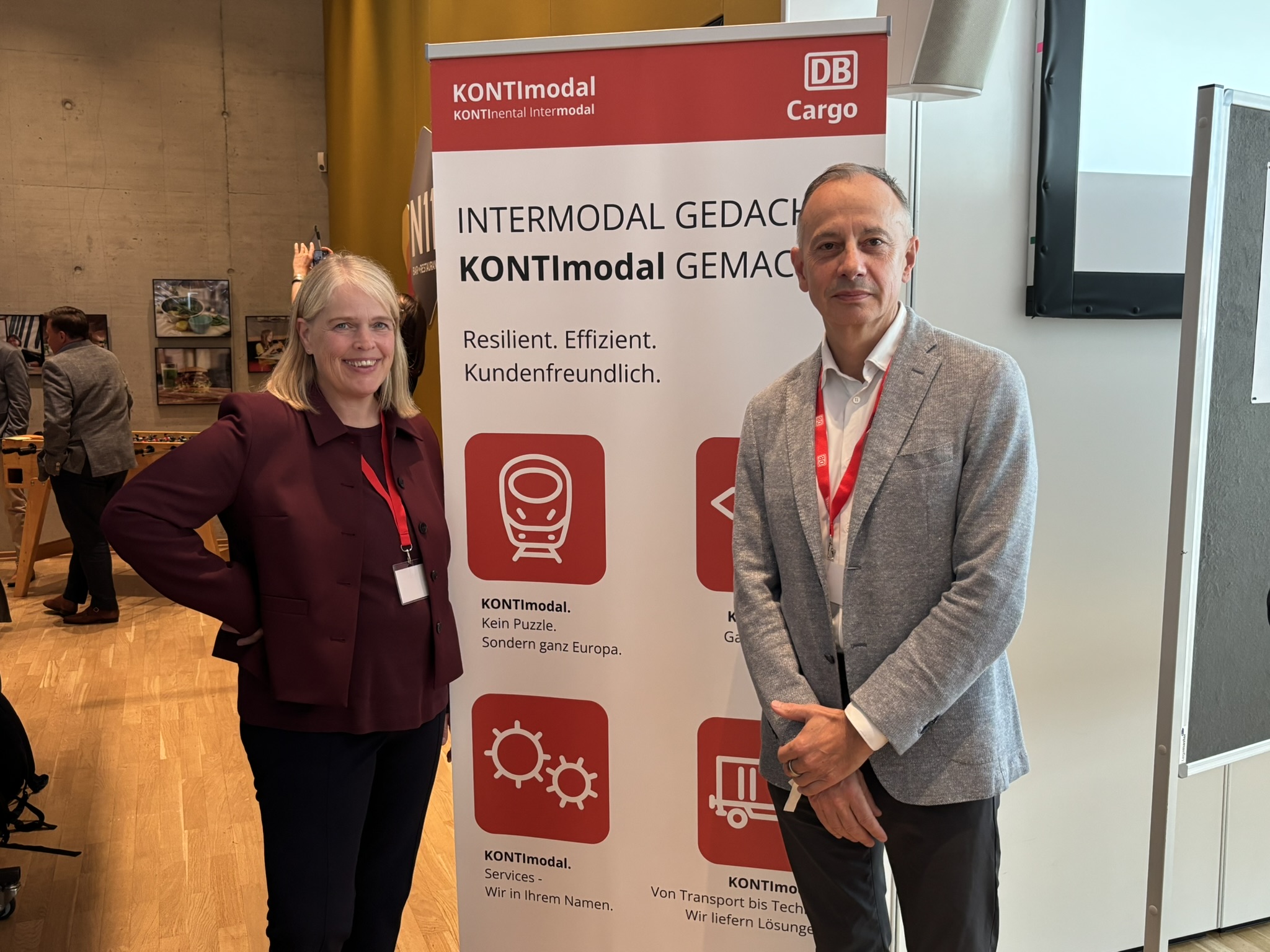
Martin Hofmann (Novagentica) and Sylke Hussmann at the KONTImodal Conference 2025. In his keynote speech, Hofmann outlined the potential of Agentic AI for logistics and supply chains.
The conference’s second major perspective came from a very different direction. In his keynote, “Who runs your company while you sleep?”, Martin Hofmann, CEO of Novagentica, explored agentic AI.
The approach goes beyond the conventional digitalisation of processes. Systems are intended to continuously gather data, assess different courses of action and independently trigger actions within defined rules. A delayed sea freight shipment served as an example: a digital system detects the deviation, checks alternatives and could immediately initiate further steps.
This requires information from different parts of the supply chain to be brought together, including data from ships, trains, trucks and ports, as well as warehouses and ERP systems. The technological concept behind this is a continuous cycle of perceiving, planning, evaluating, deciding, acting and learning.
For logistics, this raises an interesting question: which operational decisions could digital systems take independently in future, and at what point should the decision remain with people?
The conference presented agentic AI as a technological approach that DB Cargo, like all other participants in the logistics chain, needs to engage with. Reliable data, clear rules and defined boundaries for automated decisions are prerequisites for its use.
From a timetable to a learning network?
At the KONTImodal Conference, these two developments came together. On the one hand, there is the conventional expansion of the network: new routes, higher frequencies, consolidated volumes and cooperation between railway undertakings and operators. On the other, there are digital systems that bring together transport data across different modes and derive possible courses of action from it.
Ultimately, both address the same question from different perspectives: how can a complex transport chain remain effective even when its operating conditions change?
The KONTImodal Conference 2026 did not provide a definitive answer. It did, however, show the direction in which combined transport is developing: from individual train services towards closely interconnected networks, and potentially, in their management, from fixed processes towards systems that can respond continuously to change.
Note: No personal data is collected when submitting feedback. Feedback is processed anonymously. DB Cargo Privacy Notice

 Go
Go