
24. June 2026, 08:18 o'Clock
Article: New flexible car carrier wagons for the Automotive RailNet
DB Cargo Automotive expands its fleet with modern 560.4 wagons
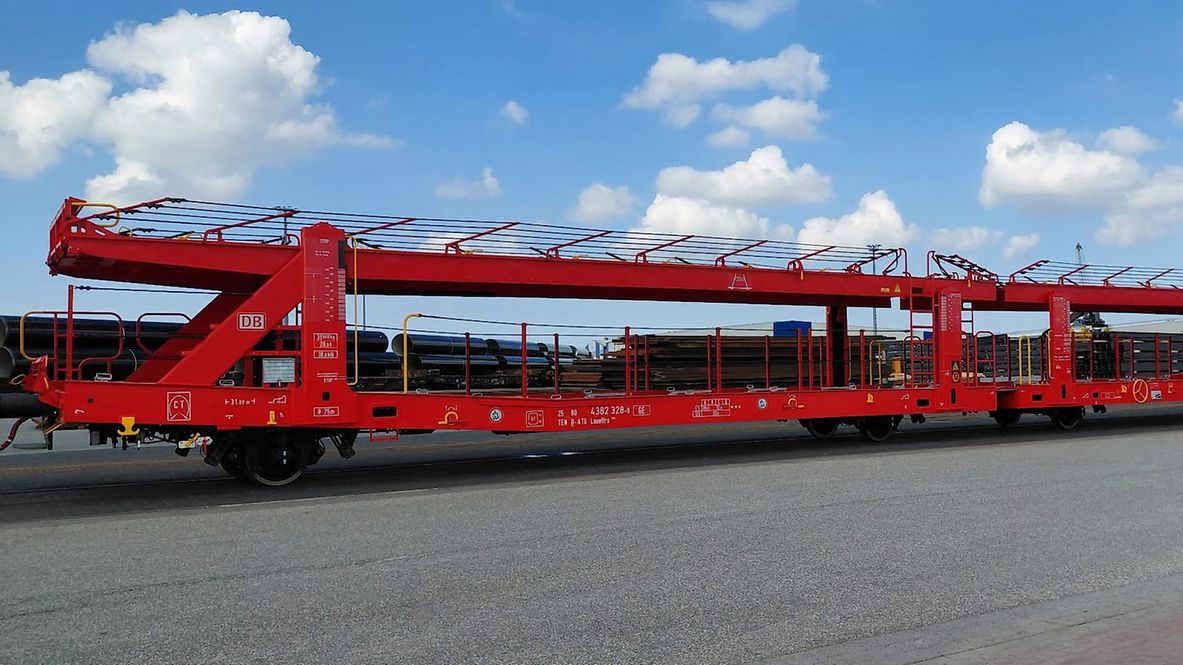
DB Cargo Automotive is continuing to modernise its wagon fleet and has put new Laaeffrs 560.4 car carrier wagons into operation. The first 60 wagons were delivered this spring and introduced into DB Cargo’s industry-specific Automotive RailNet for use by multiple customers. The aim is to meet the changing requirements of the automotive industry with flexible and high-performance equipment.
A proven concept, systematically enhanced
The 560.4 design is based on the already established 560 wagon family, which has proven itself in the market for many years. The latest generation builds on its key strengths. As with some earlier designs, the 560.4 can also transport cars weighing up to 3.2 tonnes each – an important prerequisite for transporting heavy electric vehicles. Thanks to flexible loading decks and the so-called flat wagon position, particularly high vehicles such as vans or large SUVs can also be loaded safely and efficiently. For customers, this means flexibility when loading, efficient use of wagon capacity and an optimum fit with manufacturers’ modern vehicle portfolios.
“The automotive industry is undergoing profound change: vehicles are becoming larger and heavier. We identified these requirements at an early stage and are consistently investing in flexible car carrier wagons,” explains Kai Birnstein, Head of Sales Automotive at DB Cargo Logistics. “Even in challenging times, we are continuously modernising our fleet.”
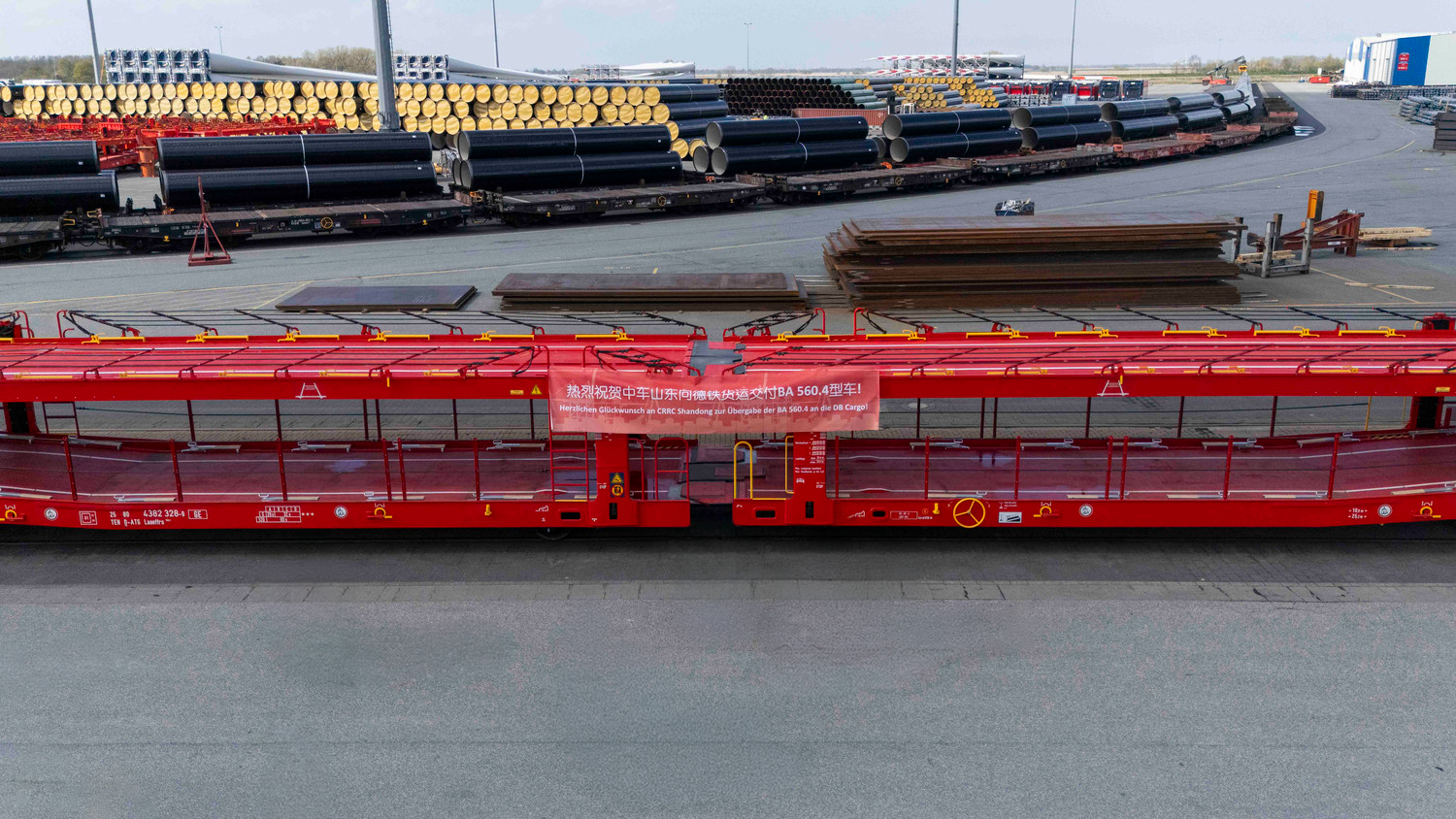
Ready for deployment in the Automotive RailNet: the new 560.4 wagons
International procurement
One distinctive aspect of the project for DB Cargo is the procurement of car carrier wagons from outside Europe. In close partnership with CRRC – the world’s largest rail vehicle manufacturer – extensive preparations were agreed and successfully carried out.The successful European approval of the enhanced wagons at the start of the year marks an important milestone for the project partners. It is the result of close collaboration between DB Cargo Automotive, DB Cargo’s Assets & Maintenance unit and the manufacturer CRRC.
“Through continuous collaboration and the sharing of technical expertise, we successfully qualified the manufacturer. On this basis, the car carrier wagons were developed, produced and approved in line with clearly defined requirements and quality standards. This allows us to expand our sourcing network and benefit from significantly larger production capacities,” says Tomasz Jakub Paczesny, Head of Vehicle Projects, Assets & Maintenance, at DB Cargo.
The wagons were transported by ship to the seaport of Brake (Unterweser), where they were lifted from the vessels with great precision. “Both during the preliminary coordination and the unloading process, the Port of Brake demonstrated a high level of professionalism,” emphasises Tobias Sander, Project Manager at DB Cargo Logistics. At the port, the wagons were unpacked, placed on the rails, coupled and inspected before being put into regular service.
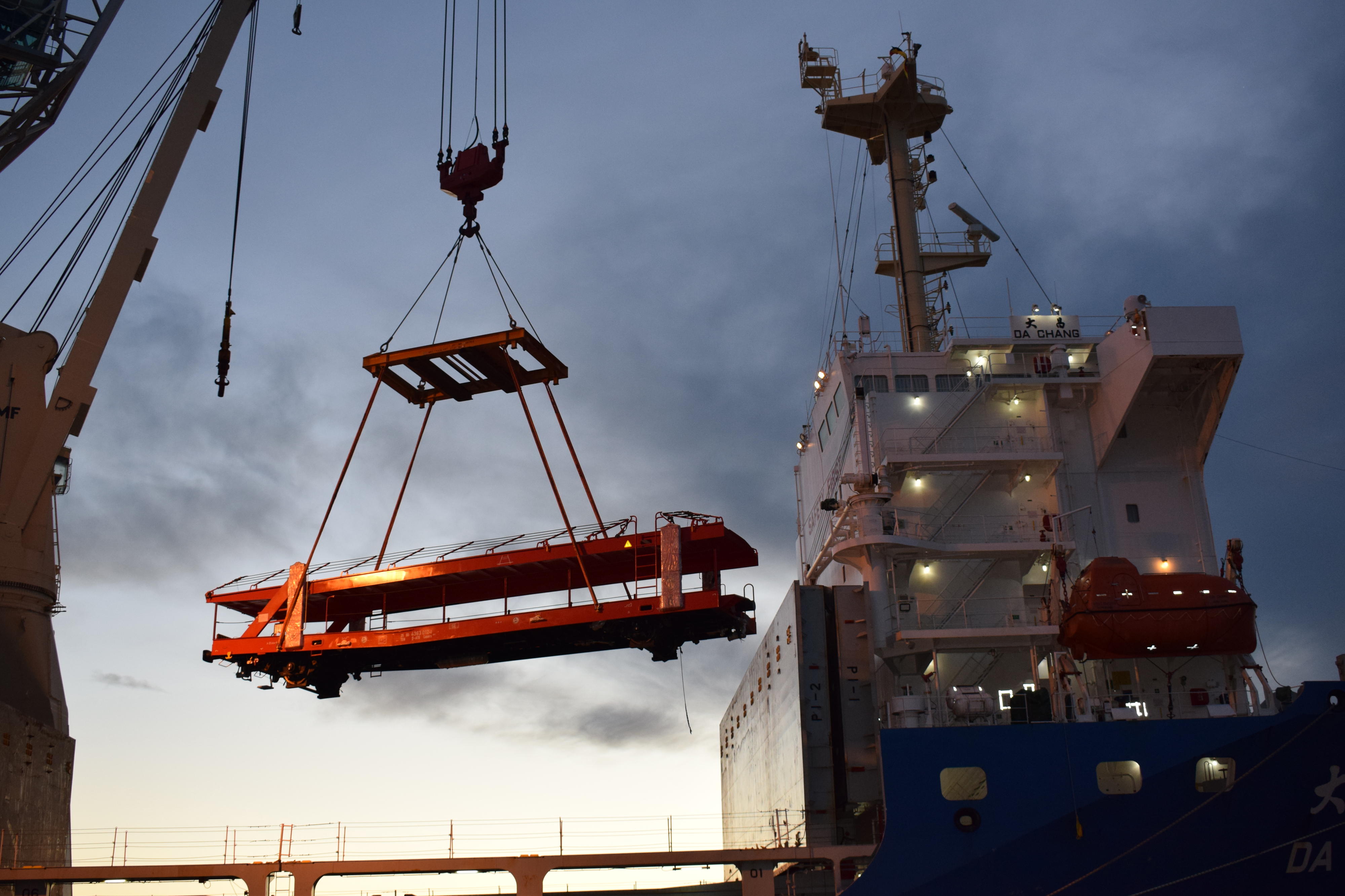
A car carrier wagon being loaded at the Port of Brake (Unterweser).
Drawing on experience from operations and maintenance
Maintenance and life-cycle costs were also incorporated into the development process. “For the new-build wagons, we consistently drew on experience from maintenance and operations and ensured they were built to the latest standards,” emphasises Thomas Mayer, Head of Maintenance & Engineering at DB Cargo Logistics. For example, strength optimisations were made and maintainability improved. This increases wagon availability and reduces operating costs in the long term – added value for customers and operators alike.
Outlook: gradual expansion of the fleet
The delivery of the first 60 wagons marks an important first step. Further car carrier wagons of this design are set to follow. In this way, DB Cargo Automotive is gradually optimising its fleet and strengthening its role as a reliable and innovative partner to the automotive industry.
 Go
Go