
26. August 2026, 08:16 o'Clock
Article: CO₂ logistics: Study confirms potential of rail transport
Study proves the feasibility of transporting CO₂ by rail to Wilhelmshaven
How can captured CO₂ emissions from industry be transported efficiently and safely to storage sites? This question was at the heart of a comprehensive study conducted by DB Cargo together with HES International, developer of the CO₂nnectNow export terminal at Wilhelmshaven, Harbour Energy, a leading developer of CO₂ stores in Europe, and DB InfraGO between mid-2025 and early 2026. The result: rail-based CO₂ logistics to the Wilhelmshaven terminal are technically and operationally feasible, offering industrial companies a realistic perspective of decarbonisation from the late 2020s onwards.
CCS: indispensable for emissions-intensive industries
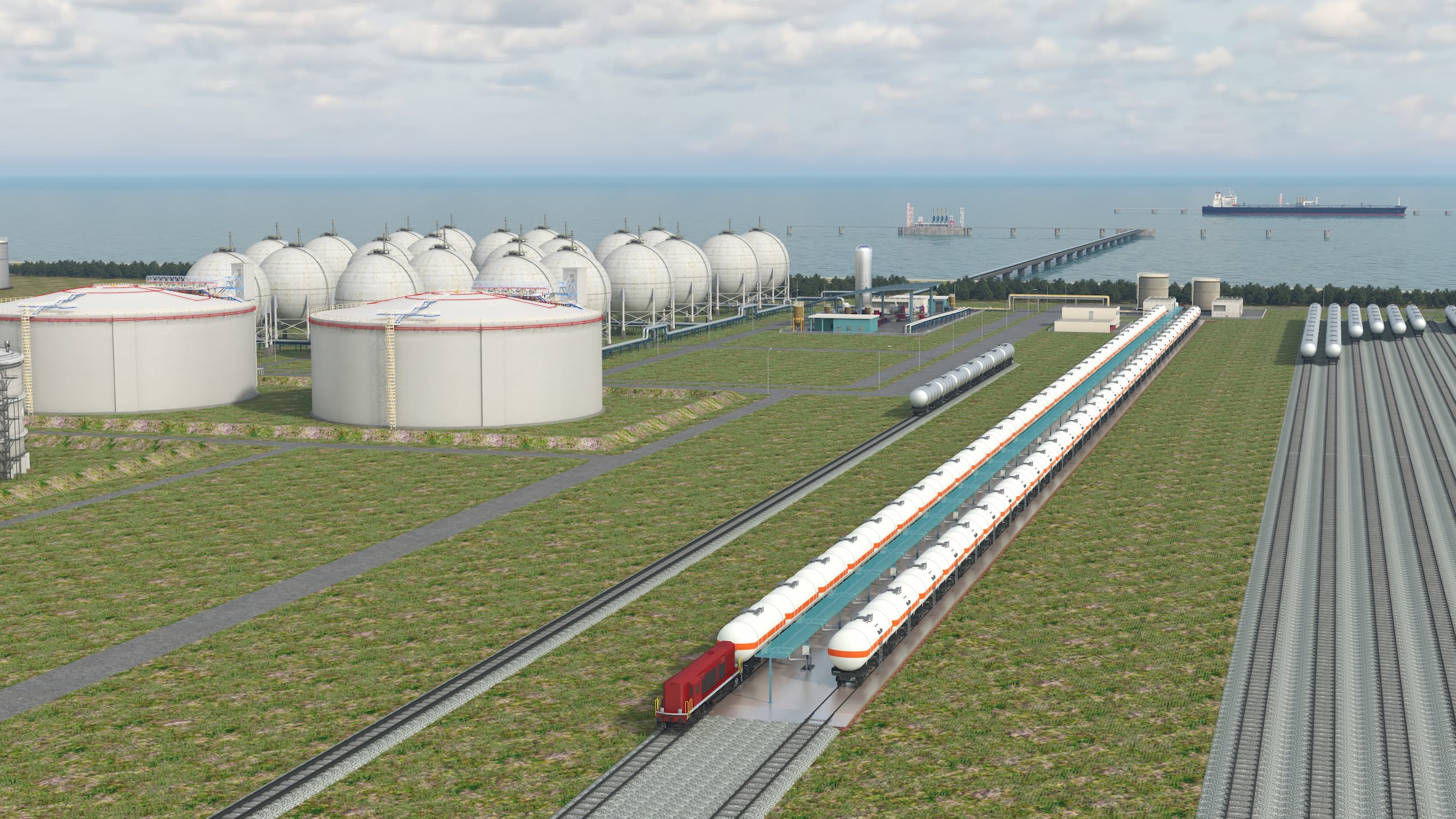
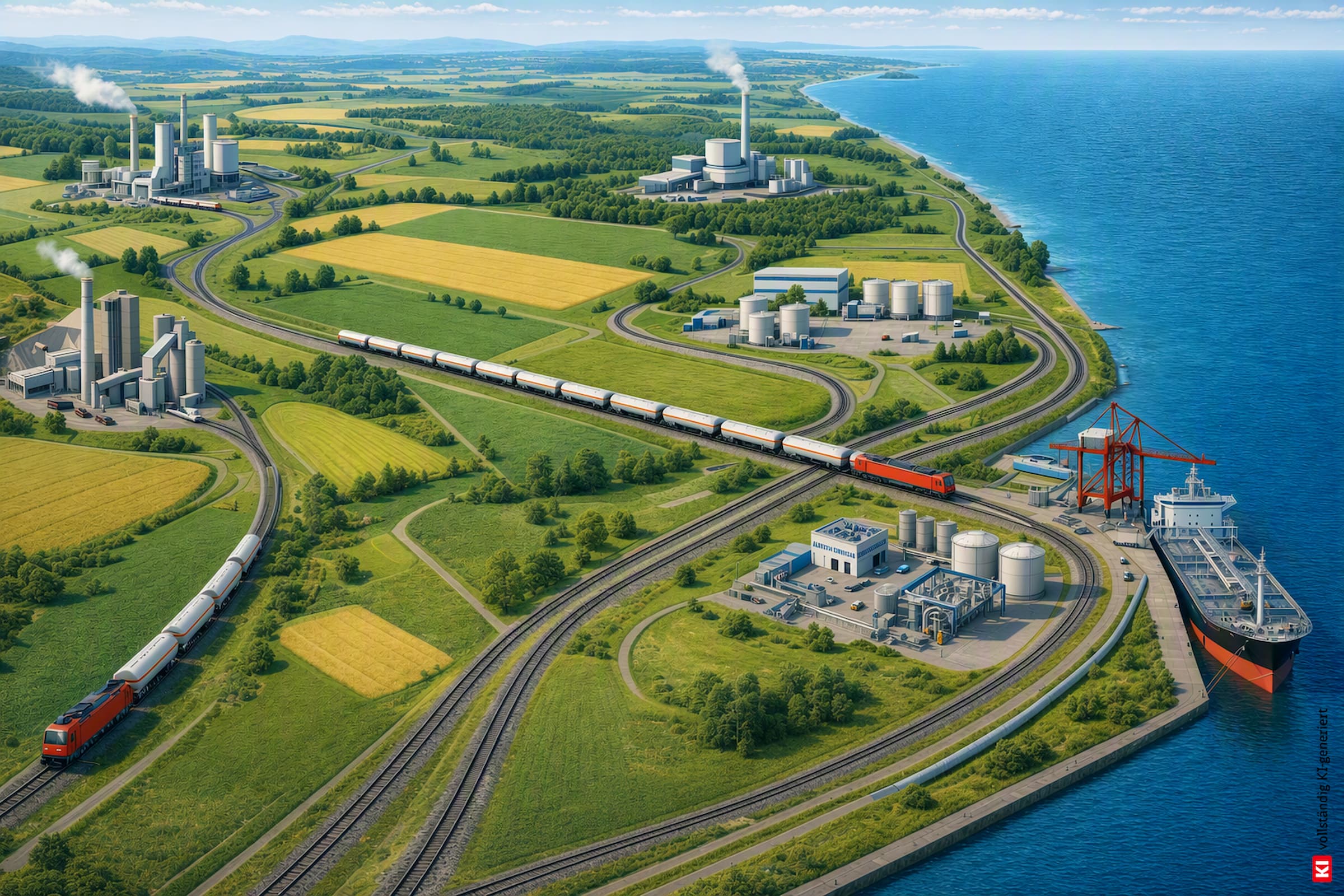
Industries such as cement and lime production, thermal waste-to-energy, and others face the challenge that process-related CO₂ emissions cannot be entirely avoided. Carbon Capture and Storage (CCS) is therefore regarded as a key component in achieving European climate targets. The study demonstrates how captured and liquefied CO₂ can be transported by rail from the emitters to a central hub, the planned CO₂nnectNow export terminal in Wilhelmshaven, from where it can be shipped onwards to offshore storage facilities in the North Sea.
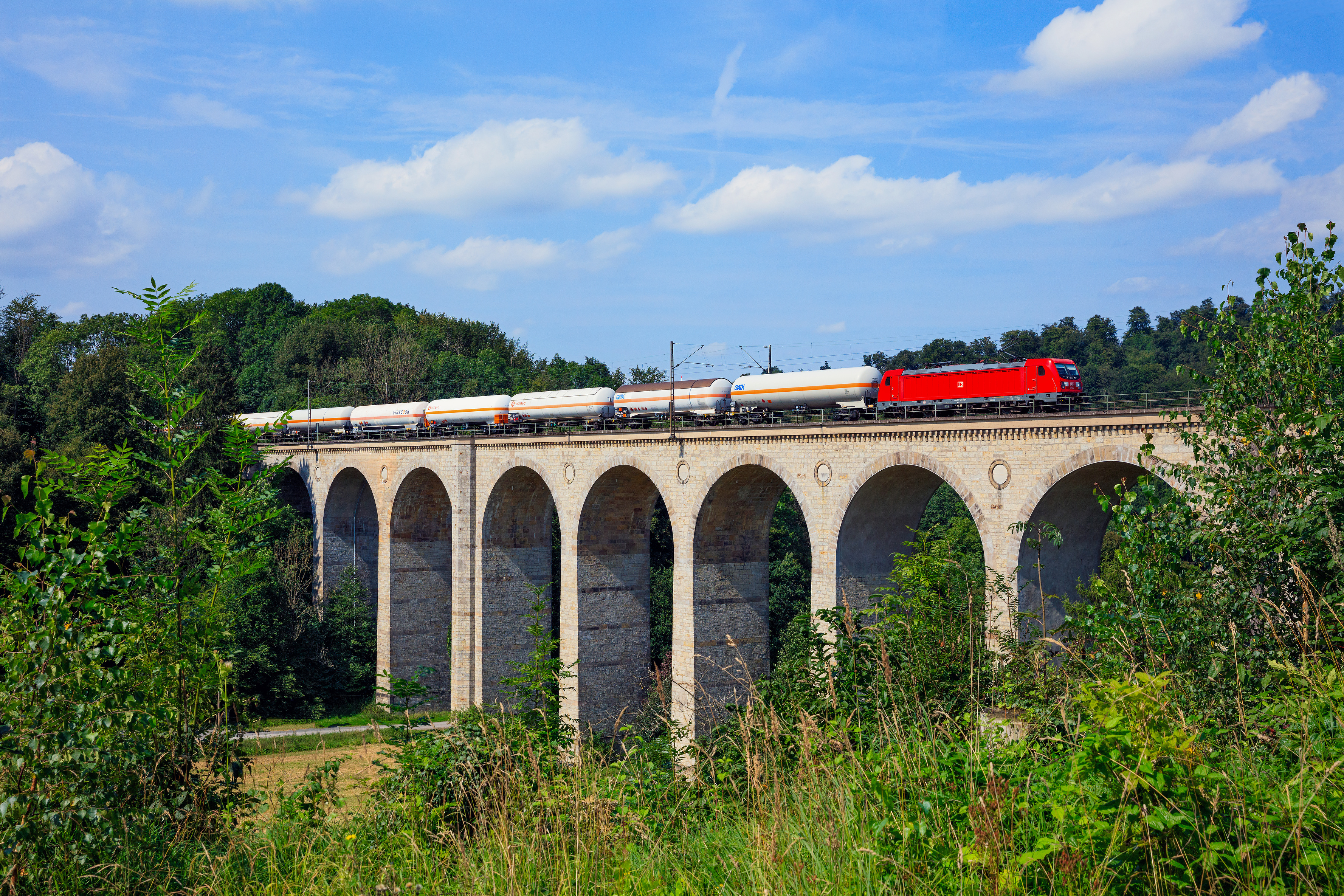
The existing rail infrastructure offers a fast and easily implementable solution for transporting captured CO₂ to seaports.
Study with a practical focus
Commissioned by the supporters of the CO₂ export terminal, DB Cargo and DB InfraGO examined both the capacity of the German rail network and emitter-specific logistics concepts for eleven industrial companies. The analysis covered main lines and junctions as well as individual site conditions and potential bottlenecks.
The findings highlight the considerable transport potential: by 2030, around 11 trains per day in each direction could already operate between the emitters and the Wilhelmshaven terminal, increasing to up to 17 trains by 2033. This demonstrates not only the technical feasibility but also the scalability of rail transport for increasing volumes of CO₂. For decentralised industrial sites in particular, rail can provide a long-term link to storage sites.
Torsten Lüders, Head of the Liquids & Bulk Business Unit at DB Cargo, sees the company playing a key role in the future: “We see ourselves as a European full-supply provider for CO₂ logistics – from planning and equipment to safe execution. Our experience in handling sensitive goods and our European network make us a strong partner for CO₂ transport and CCUS projects.”
Safety, efficiency and sustainability in focus
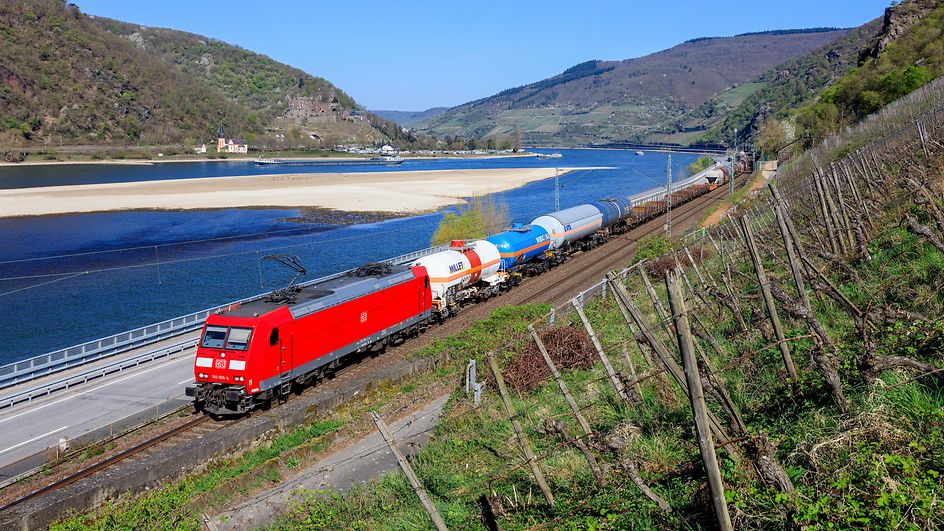
CO₂ transport will take place in specially insulated tank wagons designed for cryogenically liquefied CO₂. As an experienced chemicals logistics provider, DB Cargo contributes comprehensive safety and quality standards – from seamless transport monitoring and 24/7 emergency management to recognised hazardous goods certifications. The use of dual-mode locomotives is intended to ensure the efficiency of time-critical CO₂ transports. In addition, the use of Hydrotreated Vegetable Oil (HVO) on non-electrified routes can further enhance the sustainability of rail logistics.
Daniel Röder, Head of Operations at DB Cargo BTT, emphasises: “Our established processes and the expertise of DB Cargo BTT as experienced dangerous goods specialist within the DB Cargo group ensure safety, reliability and sustainability along the entire transport chain.”
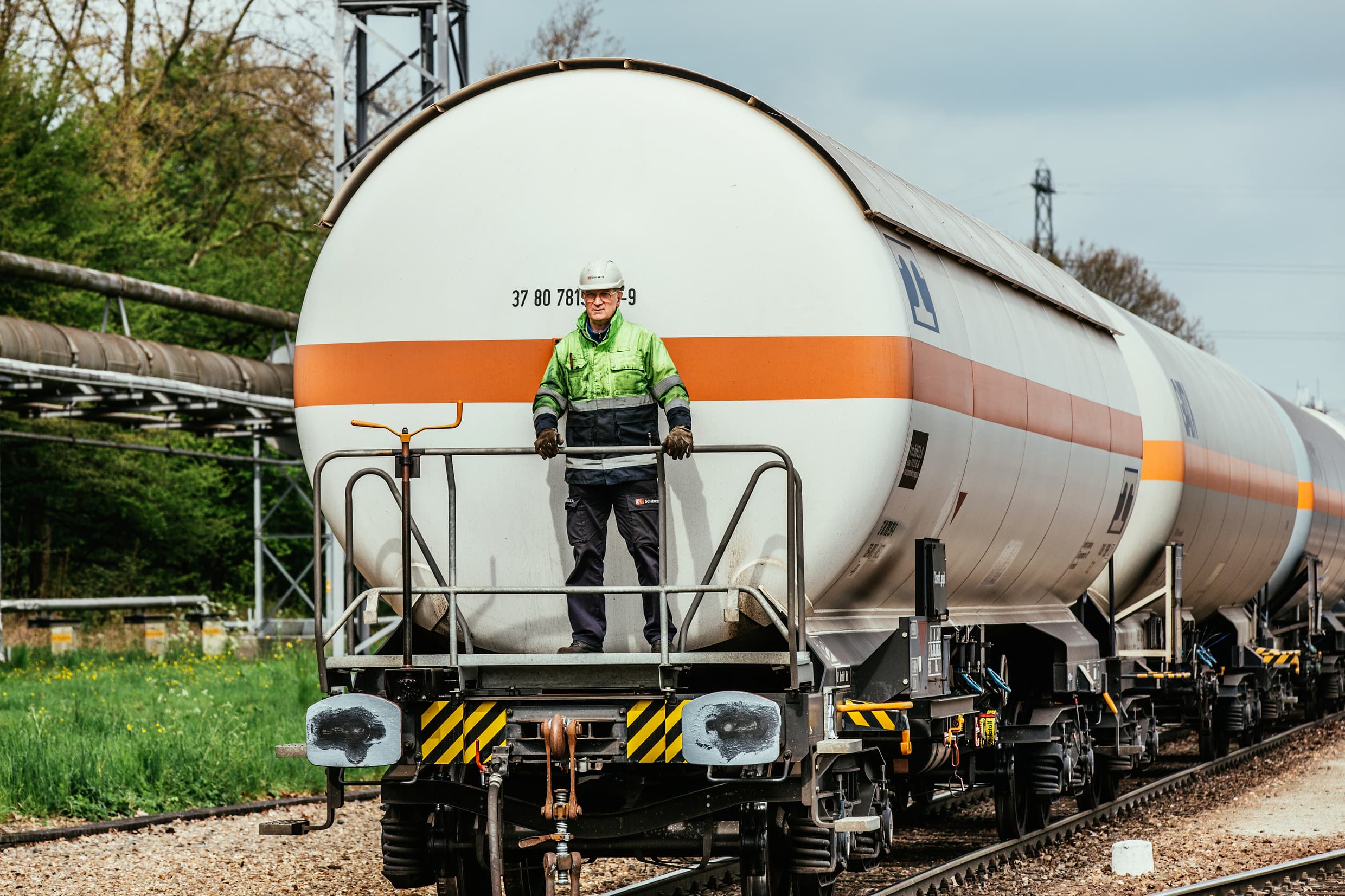
In future, DB Cargo will also be able to provide the necessary transport equipment as a full-supply provider.
Wilhelmshaven as a CO₂ hub
HES International is developing its existing operational Wilhelmshaven terminal into a CO₂ hub under the name “CO₂nnectNow”. There, CO₂ delivered by rail will be temporarily stored and subsequently transported by ship to various offshore storage facilities including one of Harbour Energy's CO₂ storage locations. The clear division of responsibilities – terminal expansion and operation by HES, and the development of suitable storage sites by Harbour Energy – helps to develop a robust CO₂ value chain and creates planning certainty for industrial companies. Otto Waterlander, director New Energies at HES International comments: “Our Wilhelmshaven terminal is very well positioned to become one of Germany’s first CO₂ export hubs, because it can make use of existing rail infrastructure onsite and capacity at its existing jetty’s where ships can berth from 2030 onwards.”
More about Harbour Energy
Harbour Energy is one of the world’s largest and most geographically diverse independent oil and gas companies. In Germany, Harbour Energy is one of the three largest producers of natural gas and crude oil and makes an important contribution to domestic supply security. Additionally, Harbour Energy has a leading CO₂ storage position in Europe and the UK with net storage resources of over 650 million tonnes of CO₂. For example, the company has a 60% operated interest in the Havstjerne CO₂ storage licence in the Southern Norwegian North Sea.
More about HES International
HES International is one of Europe’s largest bulk handling companies and specialises in the storage, transhipment and handling of liquid, dry and break-bulk goods. With 14 terminals in five countries at strategically important ports, HES International plays a central role in European commodity flows.
At its Wilhelmshaven site, HES International operates Germany’s largest tank storage facility for liquid bulk goods. The terminal features modern infrastructure for the storage and handling of a wide range of products, including crude oil, petroleum products, liquefied gas and, in future, CO₂. With direct connections to sea, rail and road infrastructure, as well as proximity to major refineries and chemical plants, the terminal is ideally positioned to support the industry and its customers with decarbonization and the energy transition.
Expanding cooperation further
The study marks an important milestone, but it is only the beginning. In the coming years, the concepts are to be further refined and translated into market-ready solutions. Discussions with emitters and partners are already underway. At the same time, the regulatory framework for CO₂ transport and storage continues to evolve.
The results clearly show that rail can play a central role in future CO₂ transport – flexible, scalable and rapidly implementable. Moving forward, DB Cargo sees rail as part of a multimodal transport chain. With its hazardous goods expertise, its Europe-wide network and its holistic approach, DB Cargo is positioning itself as a reliable innovation partner for industrial transformation and a climate-friendly future of CO₂ logistics.
Note: No personal data is collected when submitting feedback. Feedback is processed anonymously. DB Cargo Privacy Notice
 Go
Go