31. March 2026, 08:12 o'Clock
Article: 3 questions for Markus Micken: New impetus for steel logistics at DB Cargo
The new head of the Steel Division talks about market changes and requirements for modern logistics solutions.
3 questions for Markus Micken, Head of the Steel Division at DB Cargo
The steel industry is going through a phase of intense change. Ecological requirements, rising costs and new production processes are changing the demands on logistics. Markus Micken, new Head of the Steel Division at DB Cargo, talks about current developments and the skills required in rail logistics.
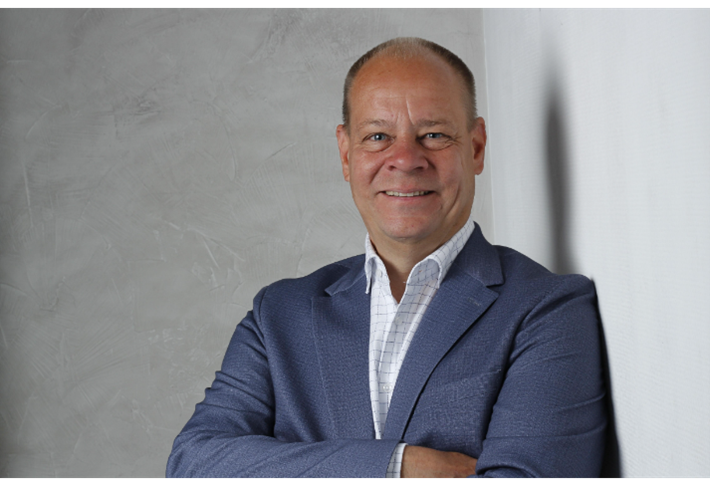
Markus Micken, Head of the Steel Division at DB Cargo.
What was your experience of working with DB Cargo from a customer perspective?
DB Cargo offers a broad network and a wide range of services that are indispensable for the steel industry. In addition to block train transport, comprehensive single wagonload transport is particularly crucial - due to high unit weights, differentiated customer structures and the carbon footprint.
From his previous industry experience, Micken emphasises how important reliability and flexibility are in day-to-day business. Short-term changes are normal in steel production and can only be managed in close cooperation with logistics. He has come to know the employees at DB Cargo as experienced and solution-orientated.
What challenges are currently characterising the steel industry the most?
The industry is under considerable economic and structural pressure. High energy and raw material prices as well as emissions trading regulations are putting pressure on cost structures. At the same time, the market is increasingly expecting CO₂-reduced production processes. These developments affect all areas - from processes and supply chains to strategic orientation. Companies must increase their adaptability in order to better cushion economic fluctuations. This also has a direct impact on the demands placed on transport and logistics providers.
What does the transformation to green steel mean for logistics?
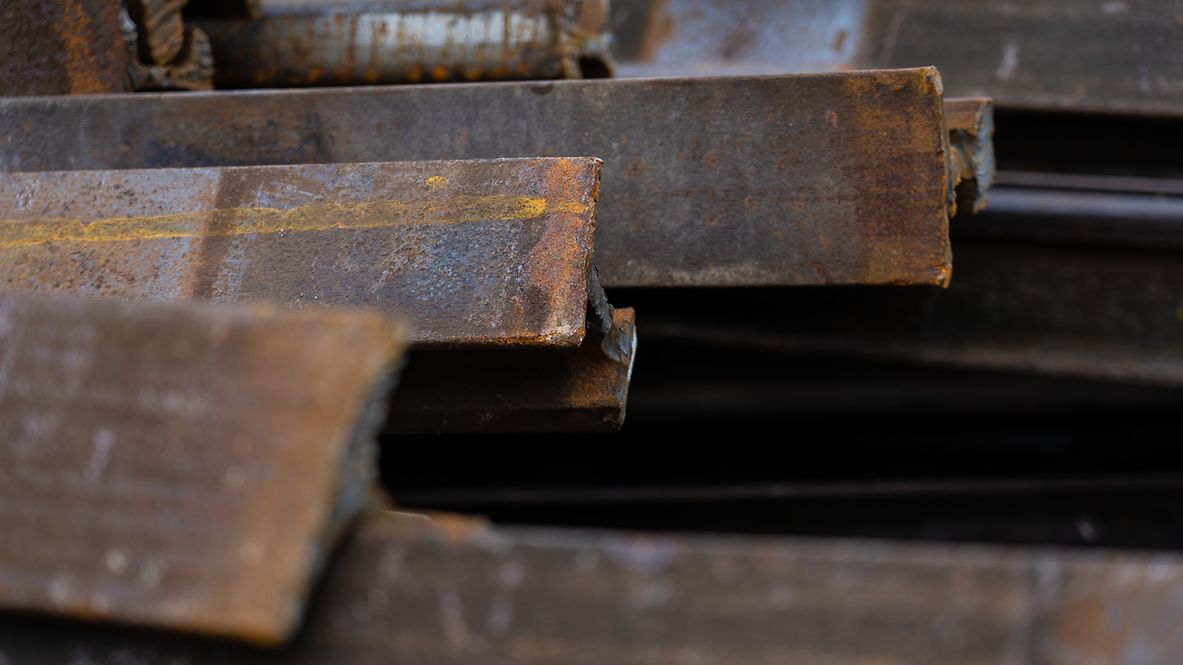
With the switch to more climate-friendly production processes, transport chains are also changing. Materials such as scrap or DRI (sponge iron) are becoming increasingly important and require specific logistics expertise.
For Micken, one thing is clear: the steel industry needs reliable and innovative partners to actively support the transformation. Performance, comprehensive service offerings and in-depth expertise in handling steel-specific goods are crucial. Reducing CO₂ emissions along the transport chain is also becoming increasingly important. More efficient resource utilisation, higher load densities and optimised rotations are important levers here.
 Go
Go